Why Recall Matters: Helping Your Dog Enjoy Safe Off-Lead Freedom
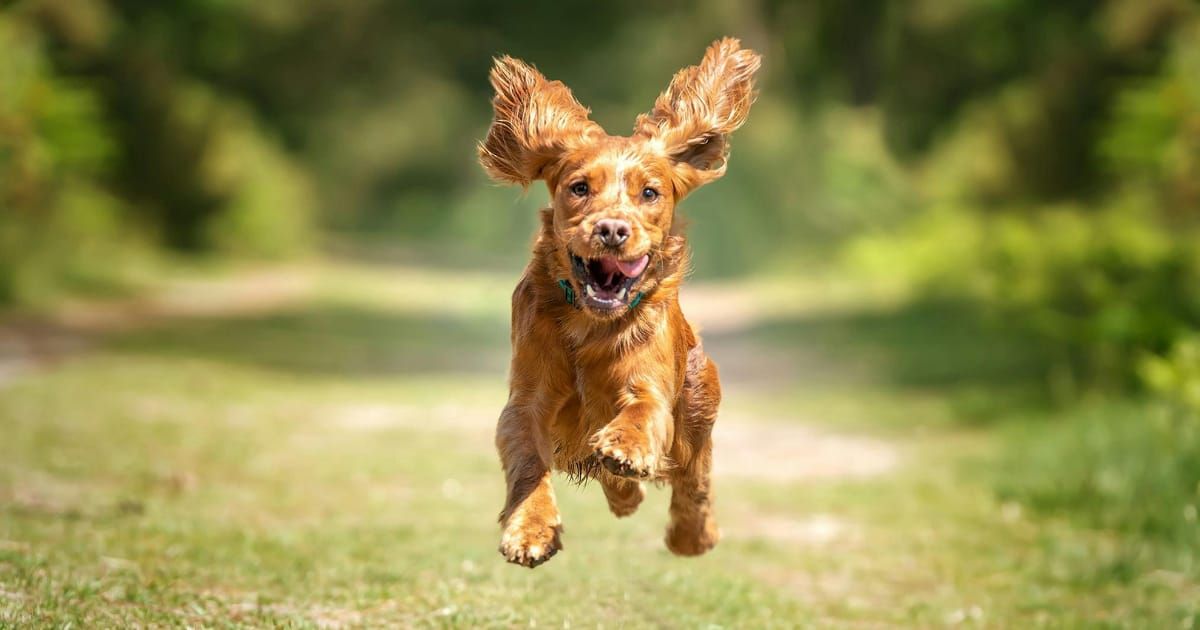
One of the greatest joys of having access to a private dog walking field is being able to let your dog run, explore, and enjoy off-lead freedom in a safe environment.
The good news? Recall is a skill that can be taught, practised, and improved. Not only does it help keep your dog safe, but it also makes walks more enjoyable for both of you.
The Benefits of a Reliable Recall
Improved Wellbeing and Mental Health
Dogs need opportunities to run, sniff, explore, and burn off energy. Off-lead exercise allows them to move naturally and enjoy the freedom that contributes to both their physical and mental wellbeing.
More Enjoyable Walks
A solid recall cue gives you confidence. Instead of constantly worrying about where your dog is or whether they'll come back when called, you can relax and enjoy spending time together.
Stronger Bond and More Fun
Recall training doesn't have to be boring. Through games, rewards, and positive experiences, you'll be amazed at how quickly your dog learns and how much fun you can have together. Success builds confidence for both ends of the lead.
When Recall Problems Are About More Than Training
Not every recall issue comes down to a lack of training.
Some dogs struggle to come back because they're frightened, overwhelmed by their environment, or sensitive to sounds. Others may be experiencing discomfort or pain. If fear or anxiety is driving your dog's behaviour, recall training alone may not be enough until the underlying issue has been addressed.
Safety First: Preparing for Off-Lead Adventures once you've nailed recall
Before heading out, make sure you've covered the basics:
- Ensure your dog wears a collar with an ID tag containing your name and phone number. Flat tags attached securely to a flat collar are often less likely to get lost.
- Check that your dog's microchip details are up to date, especially if you've recently moved house or changed your phone number.
- Consider using a GPS tracker for extra peace of mind. However, this should never replace recall training and is most useful for dogs with reasonably reliable recall.
- Use a well-fitting harness if you're training with a long line.
- Carry a treat pouch so rewards are always within easy reach.
Are Your Rewards Motivating Enough?
One of the biggest mistakes owners make is using the same treats every day.
Think about it this way: if you ate the same meal every day, eventually it would lose its appeal. The same applies to your dog.
Keep rewards exciting and varied. Try:
- Cooked chicken
- Cheese
- Sausage
- Liver treats
- Favourite toys
Remember, not every dog is motivated by food. Some dogs value play, chasing a toy, or a game of tug much more highly. Understanding what your dog loves is key to building a reliable recall.
The Three Most Common Recall Training Mistakes
1. Repeating Your Recall Cue
"Buddy, come! Buddy, come! Buddy, come!"
Repeatedly calling your dog teaches them that the cue doesn't really mean anything. Instead, choose your moment carefully and use the cue once. Make it count.
2. Skipping Proofing
A dog that comes back perfectly in the field may struggle when faced with distractions such as other dogs, wildlife, exciting smells, or new environments.
To pre-empt this if your dog gets on well with other dogs then practice with another dog. For exciting smells you can pop treats in one of the apparatus and practice calling them back if they head that way.
Build up gradually. Practise around low-level distractions before progressing to more challenging situations. If a particular part of the field is too distracting practice with a long lead to start off with then make a note. Have a hierarchy of treats and match the high value treat with the difficult area/situation.
3.Calling them back and heading home
Always calling them back and putting their lead on straight away. This can result in them having selective deafness. When you were out having fun and your partner called you and always told you to come home you'd stop answering the phone and this can happen with a dog's recall cue! Make sure you call them back and then let them go running round the field again so they are changing the association = coming back means good things happen. Also whenever you put the lead on - give a treat from your hand and then clip on the lead so they don't start dodging your hand as they associate it with the fun ending.
Building the Foundations of Great Recall
Step 1: Teach Your Dog Their Name Matters
Start somewhere quiet, such as your kitchen.
Say your dog's name and immediately reward them with a treat.
Practise in different rooms and positions throughout the day. After a couple of days, test their understanding by waiting until they're looking away and then saying their name. If they turn towards you, mark the behaviour with "Yes!" and reward. Then practice this in the field.
Step 2: Introduce Your Recall Cue
Choose a recall word such as "Here" or "Come".
Say the cue and immediately follow it with a tasty reward.
At this stage, you're creating a positive association. Every time your dog hears the cue, something wonderful happens.
One important rule: never use your recall cue immediately before something your dog dislikes, such as nail clipping, bath time, or ending a fun session. This can quickly damage the cue's value.
Teach Eye Contact
Eye contact is a powerful skill that supports recall and helps your dog disengage from distractions.
Hold a treat out to the side and wait. As soon as your dog looks away from the treat and towards you, mark with "Yes!" and reward.
Over time, your dog learns that checking in with you pays well.
Teach Hand Targeting ("Touch")
Hand targeting is a fantastic recall game and a great way to grab your dog's attention.
How to Teach It
- Hold out the palm of your hand.
- When your dog touches it with their nose, say "Yes!" and reward.
- Repeat several times.
- Add the cue word "Touch" just before presenting your hand.
Once your dog understands the game, you can make it more exciting by running away and asking for a touch, encouraging them to chase and engage with you.
Fun Recall Games
Get It
Use a long-handled toy to encourage your dog to chase and play with you rather than becoming fixated on distractions elsewhere.
Making yourself more exciting than the environment is one of the best ways to strengthen recall.
A Final Thought
Reliable recall isn't built overnight. It takes consistency, patience, and lots of positive reinforcement. The time invested now can help keep your dog safe while giving them the freedom to enjoy everything that off-lead adventures have to offer.
Private dog walking fields are the perfect place to practise recall skills safely, allowing your dog to explore, learn, and have fun without the pressures and distractions often found in public spaces.
Every successful recall builds confidence, strengthens your bond, and brings you one step closer to stress-free adventures together.